Anger is Positive

You Don't Have an Anger Management Issue
Good-now that I have your attention, let's make sense of this.
Have you ever seen someone stuck in traffic, completely calm, with no urgency to get anywhere? Unless they truly have no commitments, the answer is almost always no.
Why? Because frustration and anger often arise when something important is at stake. The person in traffic is frantic because they need to get somewhere-they're late, stressed, and worried they won't make it. That emotional spike is not random; it's a signal.
Frustration Is a Signal for Change
To me, that anger - or better yet, frustration - is a reason to "push." It's the mind saying: I want to get there. I want something to change.
Frustration is not inherently negative. It's a stimulus, a message that something matters enough for us to want improvement. The choice lies in how we channel it.
Take my own experience:
- Being stuck doing repetitive Excel reports frustrated me enough to learn macros.
- Later, the same frustration drove me to master Power BI.
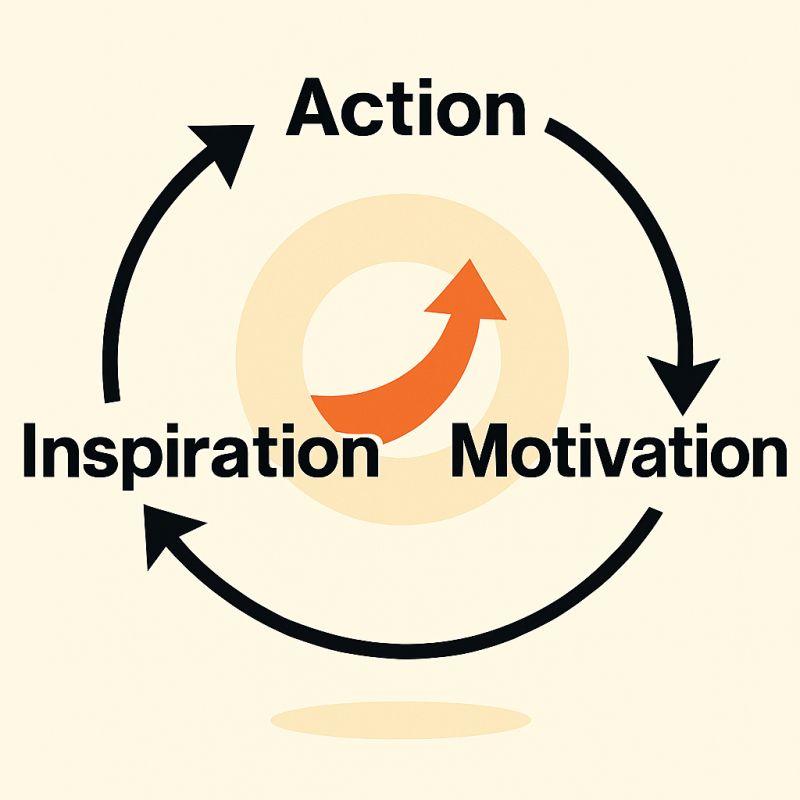
Frustration became the fuel for growth. It didn't paralyse me-it propelled me.
The Science Behind It
Psychologists have long recognised frustration as a motivator. Sherman (1941) described it as "emotional disorganisation caused by blocked goals," which often sparks problem-solving and adaptation. Daniel Goleman, in Emotional Intelligence, explains how emotions like frustration originate in the amygdala and, when processed by the frontal cortex, can become constructive action rather than destructive reaction.
Harriet Lerner, in The Dance of Anger, calls anger "a signal that something needs to change." Thich Nhat Hanh, in Anger: Wisdom for Cooling the Flames, teaches that anger can be transformed into clarity and positive energy.
Even Tom Vanderbilt's Traffic uses the traffic jam analogy to illustrate how frustration reflects blocked goals and triggers behavioural responses.
Leadership and Operations
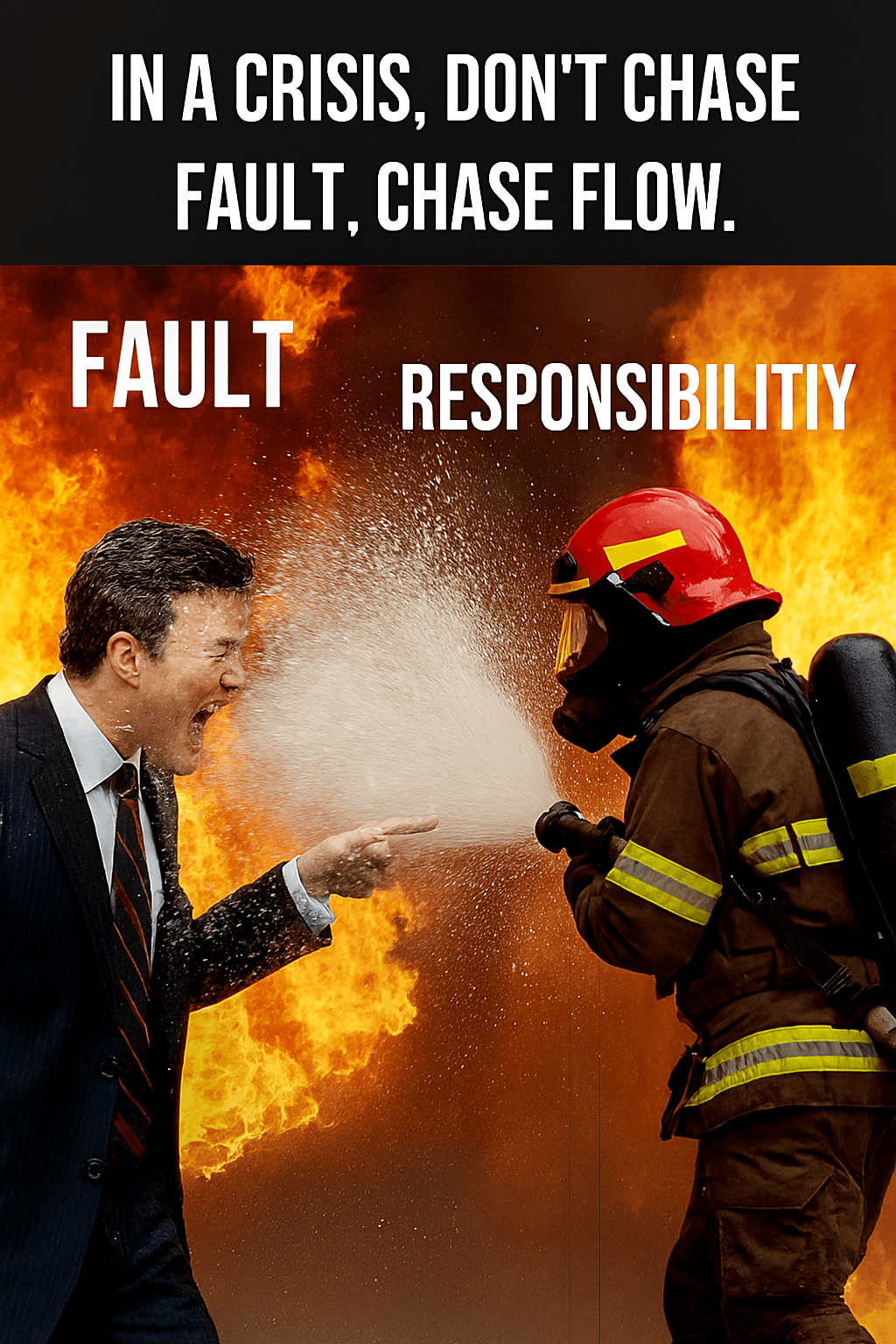
In management, frustration often signals that something isn't working-not because expectations were unrealistic, but because there's a genuine desire to improve. Great leaders recognise this signal and elevate it from raw emotion to strategic opportunity.
When we channel frustration effectively, it becomes a catalyst for innovation, efficiency, and growth.
Bottom line: Frustration is not the enemy. It's a powerful indicator that we care, that we want better. What we do with that signal - that's where leadership begins.