The Cost of 5S
Breaking Down the Cost!
In a previous article we dived deep into understanding how 5S is simply not a cleaning exercise. One thing that comes to mind when seeking to implement such initiatives is "Great...how much does it cost?". "What is the return on the investment?", "What savings are you looking to achieve".
It is a valid challenge. In any organisation, every initiative must justify its return. Time is money and leaders want to understand where that time goes. But perhaps we are asking the wrong question. The following is based on articles that are published by reputable lean organisations, and UK statistics that are publicly available.
Instead of asking:
- "What does 5S cost?"
We should be asking:
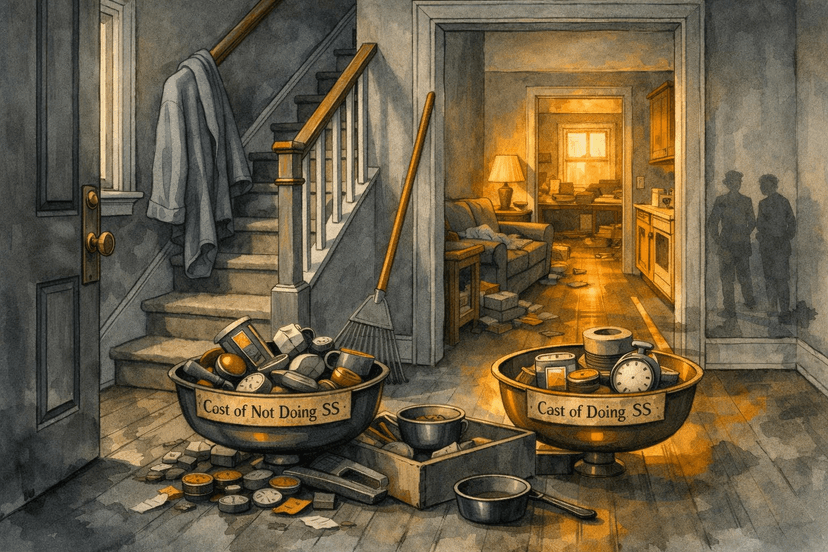
"What is the cost of not doing 5S?"
The Visible Cost is Small
Let's start with what 5S visibly requires:
- Floor tape
- Shadow boards
- Labels and visual controls
- Time to organise, clean, and standardise
These are modest investments. In most organisations, this is not where the financial risk lies.
The real cost sits elsewhere, hidden in everyday inefficiencies that go unchallenged.
1. The Cost of Searching - Death by Minutes
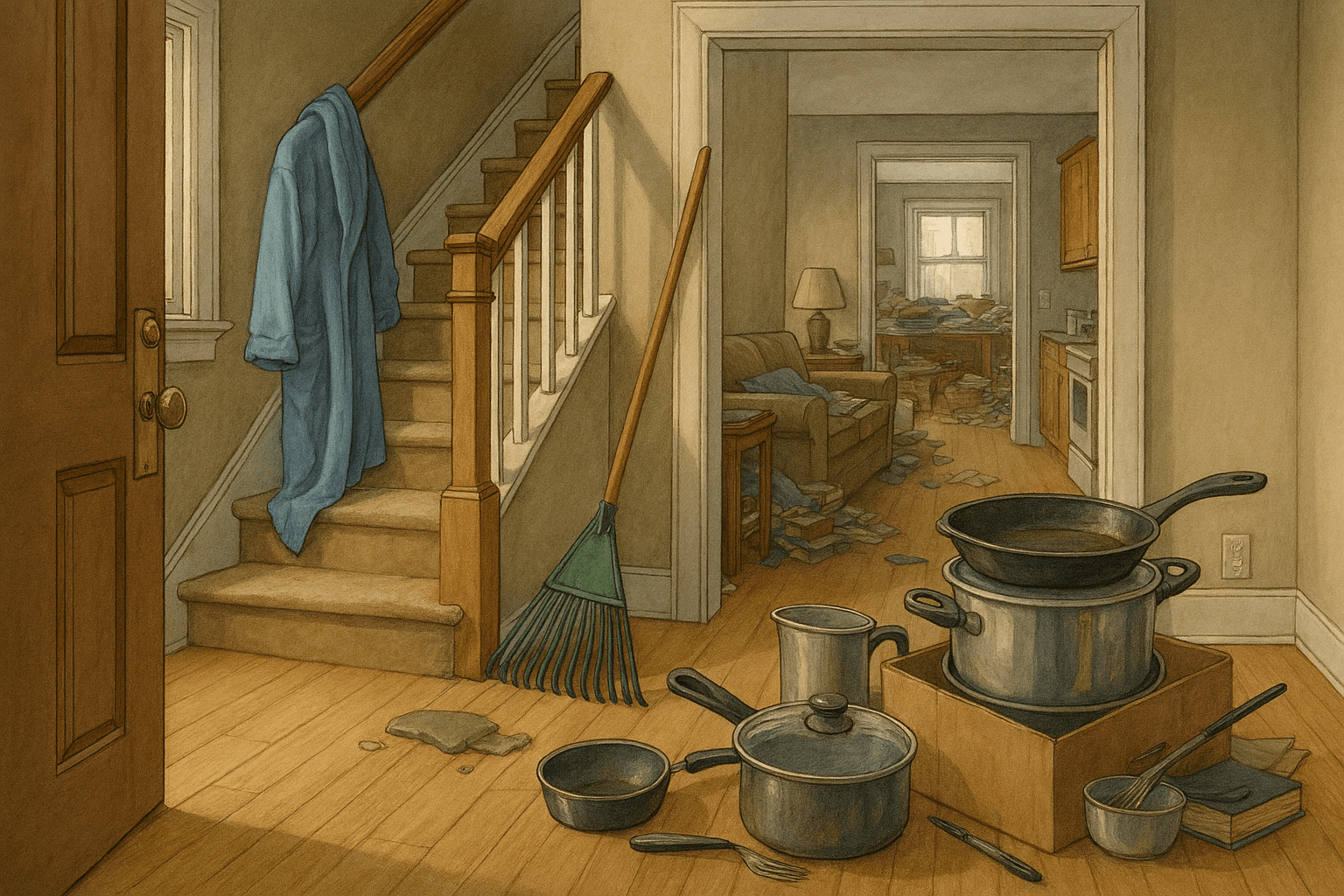
Back to the kitchen. This is where I like to keep things simple and grounded. You are at home. You are hungry, verging on hangry!. You get in the kitchen to prepare a quick meal, but:
- The knife is not where it should be
- All pots are still in the wash
- Cheese has gone mouldy in the fridge because you didn't cover it!
- Food has gone off because you didn't cover it last time you used it!
Individually, it feels like seconds or minutes. Now apply that to a production environment.
- Workers can lose up to 20% of productivity searching for tools and materials
- Even 10 minutes per day equates to ~40 hours per employee per year
- Some studies show as much as 30 minutes per day lost, over 120 hours annually per worker
This is not a system failure that shows up on a dashboard. It is something you walk past every day.
2. The Cost of Broken Flow
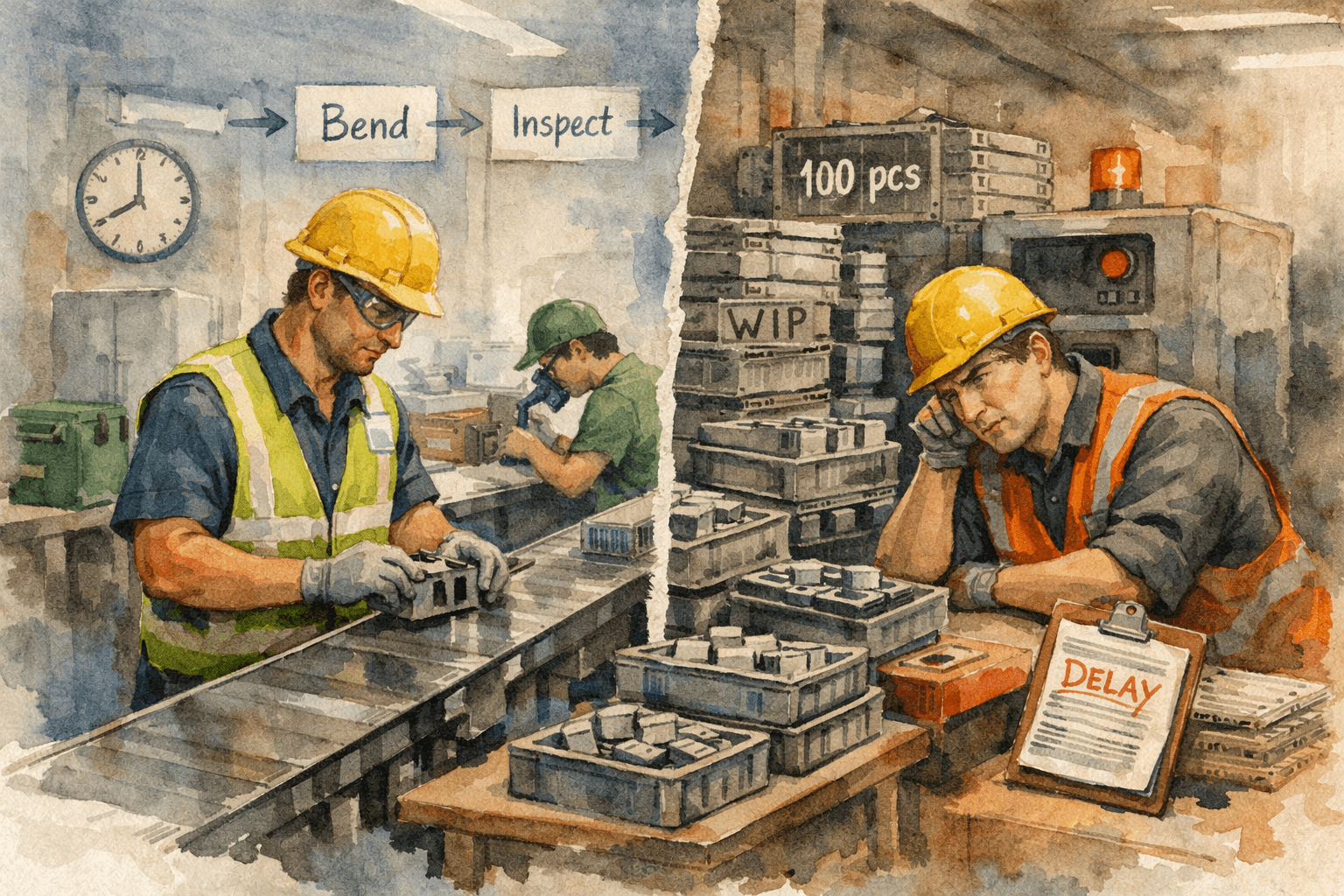
In a well-run kitchen, everything is within arm's reach. Cooking flows naturally. In a poorly organised one, you constantly stop, search, and adjust.
On the shop floor, that becomes:
- Excess motion
- Waiting for materials or tools
- Poor workplace layout
Evidence shows that:
- 5S can reduce unproductive time by around 10%
- Real-world implementations report productivity improvements of 20% or more
Without 5S, that lost time becomes longer lead times, reduced capacity, and slower delivery to customers.
3. The Cost of Poor Quality
Disorganisation does not just slow you down, it hides problems.
- Incorrect tools used
- Materials misplaced
- Contamination overlooked
Industry data indicates:
Rework and defects can cost up to 2.2% of annual revenue
In a kitchen, the wrong ingredient ruins a dish. In manufacturing, it creates scrap, rework, and customer dissatisfaction. 5S creates visibility so problems are seen early, not after the cost is incurred.
4. The Cost of Safety Incidents
Clutter is not just inefficient, it is unsafe. Across UK workplaces:
- Slips, trips and falls account for around 30% of non-fatal injuries
- They cost employers approximately £512 million per year
Most of these incidents are preventable through basic housekeeping.
5. The Cost of Downtime and Delivery Risk
When tools are not where they should be, when materials are delayed, when workspaces are disorganised:
- Machines wait
- Operators wait
- Production stops
At a global scale:
- Manufacturing downtime costs ~$50 billion annually
- In some industries, one hour of downtime can exceed $2 million
Even at a smaller scale, these delays affect:
- On-time delivery
- Customer satisfaction
- Speed to market
5S is not about cleaning. It is about protecting flow.
6. The Cultural Cost - The Most Important One
This is the part that cannot be easily measured.
Without 5S:
- Standards drift
- Ownership weakens
- Problems stay hidden
With 5S:
- Teams take ownership
- Standards become visible
- Continuous improvement becomes natural
Studies show improvements in safety, engagement, and working conditions when 5S is applied.
And yet: This cultural shift costs almost nothing financially.
It is built through discipline, not spend.
So, What Does 5S Cost?
Implementation Cost
- Minimal materials
- Structured time investment
- Simple visual tools
Cost of Not Doing It
- 10-20% lost productivity
- 40-120 hours per employee per year
- Increased defects and rework
- Significant safety exposure
- Slower response to customers
A well-run kitchen does not require expensive equipment.
It requires:
- A place for everything
- Everything in its place
- And the discipline to sustain it
That is 5S. Not tape. Not boards. Not audits. JUST Discipline.