Norm Theory: The Last‑Minute Change
The following is a two part article which looks at Norm Theory. Something I have been reading again over the past few weeks, captured my attention and I would love to share it with you all. This article was inspired by a very good book I have read a couple of times: Thinking fast and Slow by Daniel Kahneman, the father of Behavioural Science
Part 1 - The Last‑Minute Change
When outcomes disappoint, our minds don't just read the data, we rewrite the past. We instantly imagine the version of events where one small change would have saved the day. It feels like analysis, but most of the time it's something else. (If you've felt that tug, you're in good company; psychologists have been mapping it for decades.) [gsb.stanford.edu]
I have worked on the hereunder fictional story which is based on real events.
The Story
On a rainy Tuesday morning, Emma, a production manager at a mid‑sized electronics assembly plant, gathered her supervisors for the daily startup. They were behind schedule on a customer order, but the team had a solid recovery plan. It was tight, but doable.
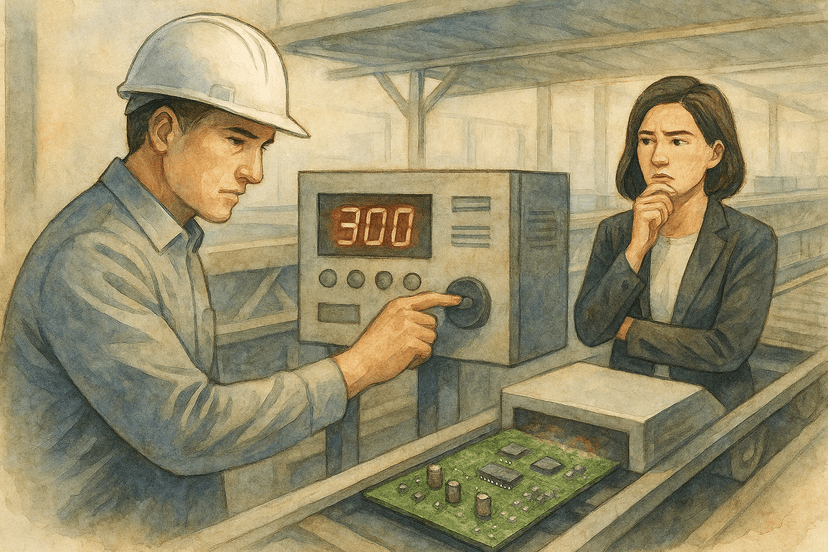
Halfway through the shift, a bottleneck began forming on one of the soldering lines. John, a newer technician, noticed the reflow oven's temperature profile drifting a touch outside its usual window. The readings weren't alarming, but they were nudging. With the day already running tight, John made a small adjustment as trained, a routine tweak, to stabilise the process.
No one thought much of it.
Later that afternoon, final inspection flagged a bump in defects on that specific batch. Not catastrophic - just enough to trigger rework and push the customer delivery to the next morning. The customer wasn't thrilled. The team wasn't thrilled. Emma certainly wasn't thrilled.
By day's end, the conversation had collapsed to one line: "If only John hadn't changed the temperature."
Supervisors replayed the moment. Operators whispered about it. John felt awful. And Emma - despite knowing the line had been a little temperamental the week before, found herself fixating on that one adjustment.
It didn't seem to matter that:
- the oven had shown borderline instability for days,
- the batch had a delicate component mix, or
- the recovery schedule was already razor‑thin.
Those facts faded.
What remained was a single, last, unusual action, the easiest mental lever to pull when imagining how the day could have gone differently.
That evening, Emma stayed late to review the data. There was no clear evidence that John's tweak caused the issue. In fact, the variation likely would have surfaced anyway; the machine was overdue for maintenance, and the batch carried higher‑than‑normal risk.
Still, Emma found herself replaying the moment. "If he'd just left it alone..."
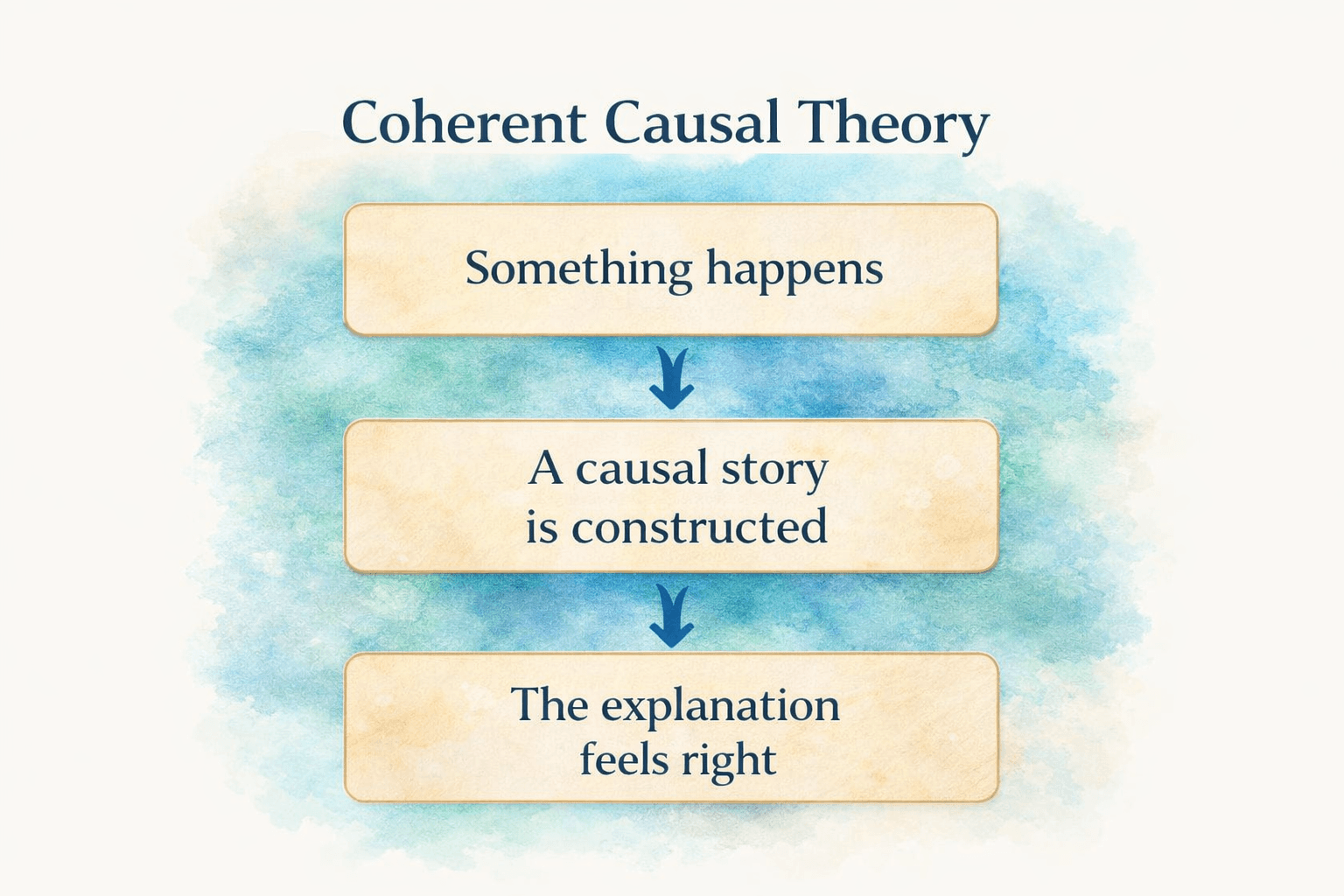
She paused. This wasn't analysis, it was that familiar "what‑if engine" kicking in. Her mind was comparing reality to a simple counter‑story: "Everything would have been fine if not for that one change." It felt emotionally true, but the data didn't support it.
The next morning, Emma brought the team together. She explained what the review showed. She reminded everyone that initiative isn't the problem, and that actions shouldn't be judged more harshly than inactions just because they create a clearer "what if."
"We're not here to punish the last step," she said. "We're here to understand the whole picture."
And for the first time since the incident, the team breathed again.
Food for Thought
Why did everyone fixate on the final tweak? Why did inaction feel safer in hindsight? Why do unusual moments soak up the blame while boring, systemic causes fade into the background?
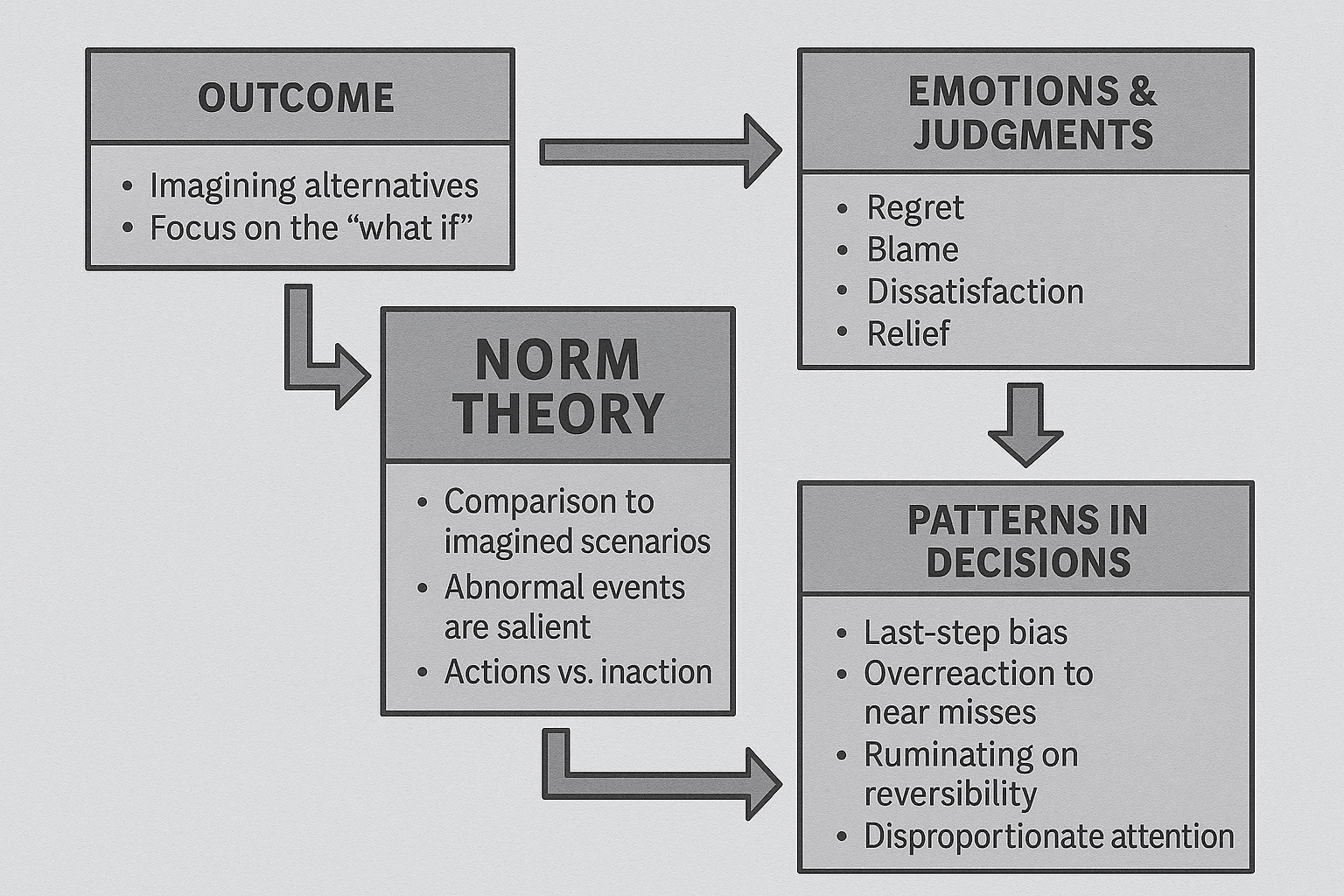
There's a name for this pattern, and it shows up in almost every workplace I've seen, from project teams to service desks to factory floors. In Part 2, I'll unpack the psychology behind what you just felt, and share a practical playbook to keep your team learning rather than blaming. (If you're curious, the academic backbone is Norm Theory, the idea that we judge outcomes by comparing them to easy‑to‑imagine alternatives, which is why the last unusual step steals the spotlight.)
Looking forward to that!