The "OH NO" Principle
Doing More With What You Have
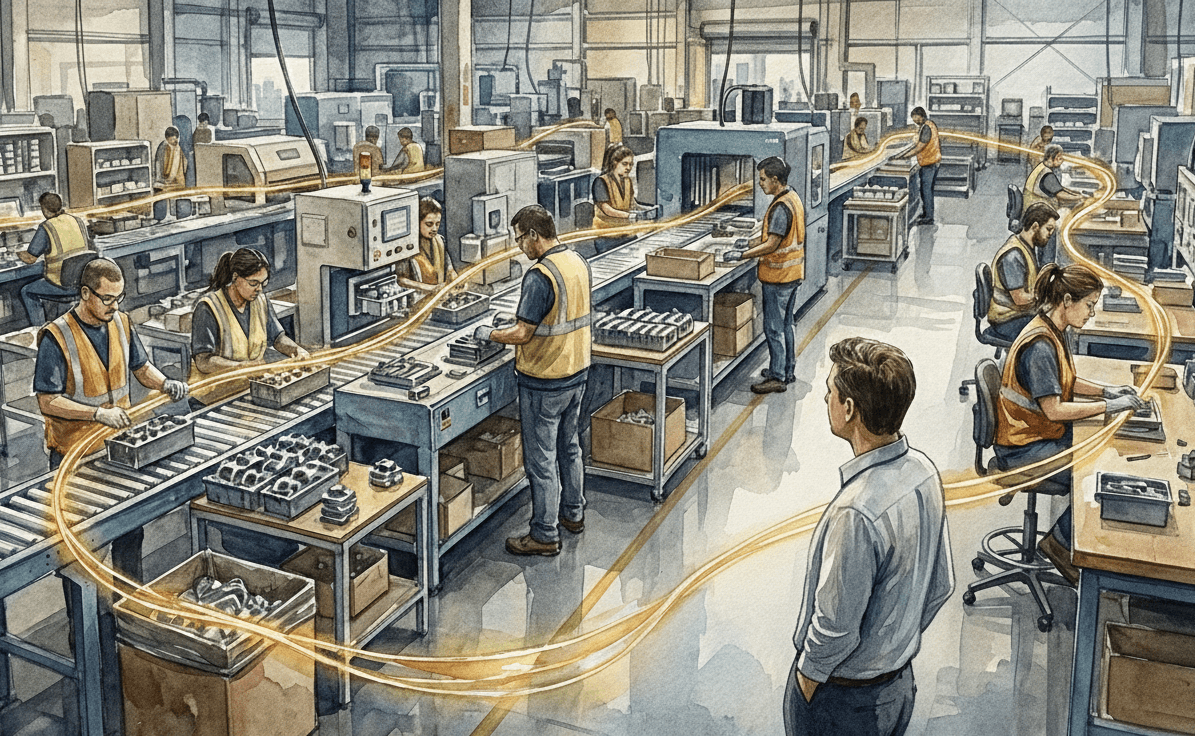
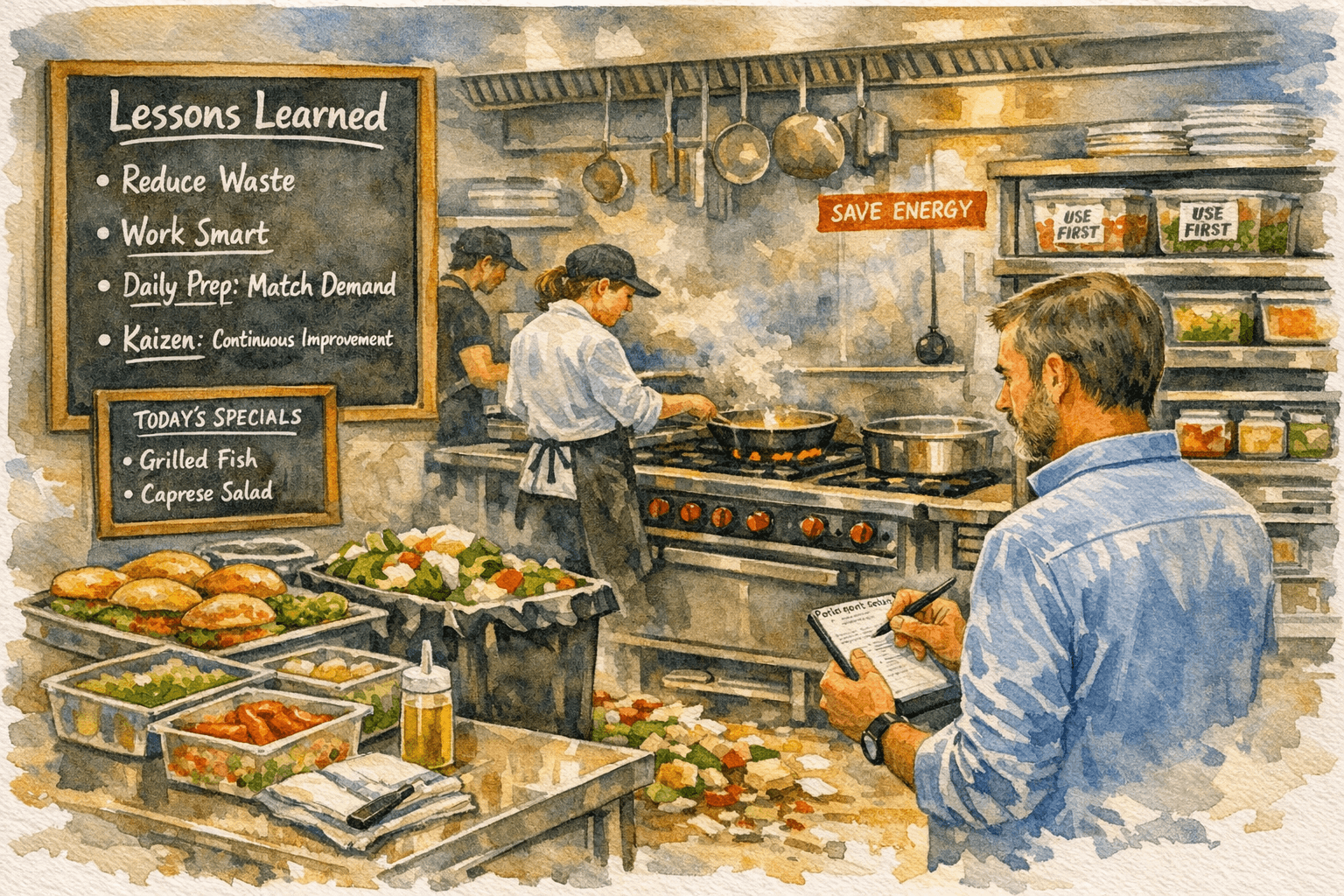
Have you ever walked into a production line and felt that something wasn’t quite right? Not broken - just… off. That’s where the magic of observation begins. In The Gold Mine by Freddy and Michael Ballé, Taiichi Ohno’s legendary approach to productivity is described: remove 10% of resources and expect the same output. The team screams “Oh no!”, and then finds a way. This principle isn’t about punishment; it’s about unlocking creativity and problem-solving.
The Power of Observation
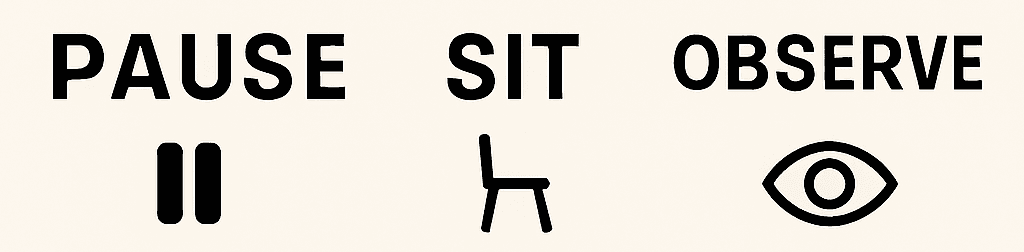
Before you can improve, you need to see. Not glance, really see!
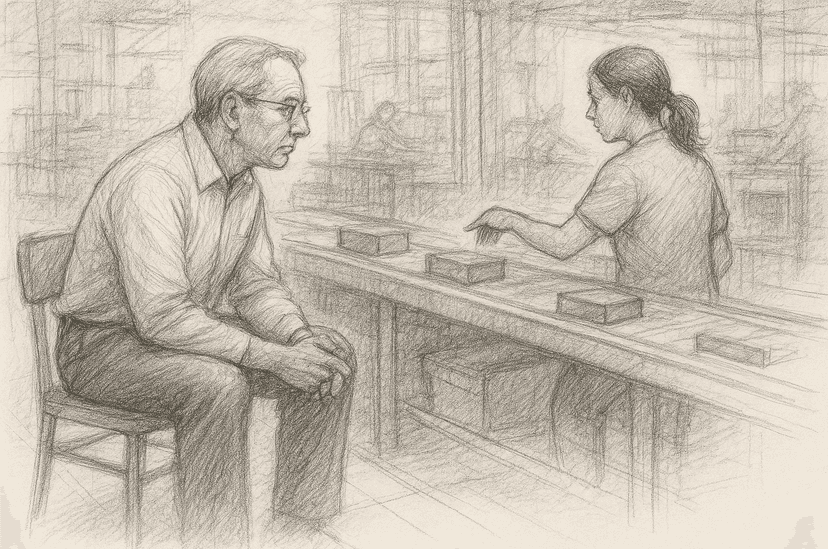
I used to drag a chair into the middle of the aisle and just sit. Watch the rhythm, the flow, the sounds. Notice how people move, how parts travel, where hands reach. And then, something would catch my eye:
- Why is Lucy doing that?
- Why doesn’t she handle it this way?
- She’s reaching too far for that part — WHY?
These questions were the seeds of kaizen. Small bursts of insight that, when acted upon, made a big difference.
From Observation to Action
Observation alone doesn’t change anything. It’s what you do next that matters. I’d approach the operator and start a conversation. Sometimes I’d get defensiveness - "Here he is..." followed by "What are you observing" and "What are you not liking?"... sometimes blame, sometimes “That’s how I was told.” That’s when collaboration kicks in. I’d call James (I miss working wih you!!), and together we’d dig deeper.
Every small improvement, every ergonomic tweak, every layout adjustment, added up. We didn’t add resources. We didn’t buy new machines.
We simply learned to do more with what we had.
Why the “OH NO” Principle Matters Today
In a world obsessed with adding more-more tech, more automation, more people, the “OH NO” Principle reminds us that the real power lies in seeing waste and solving problems. It’s about challenging the status quo, not with spreadsheets, but with eyes, ears, and conversations on the shop floor.
Call to Action
Next time you’re in your workplace,
Ask:
- Where is the friction?
- What feels awkward?
- What could flow better?
Improvement starts with seeing. And sometimes, it starts with an “Oh no!”